Why I Cut Seed Oils From My Diet — And Why You Might Want to Think About It Too
For years, I struggled with unexplained stomach cramps, bloating, and bouts of diarrhoea shortly after eating. I tried eliminating gluten, dairy, and all sorts of “trigger foods,” but nothing seemed to make a real difference.
It took me a long time to figure out the common denominator: seed oils.
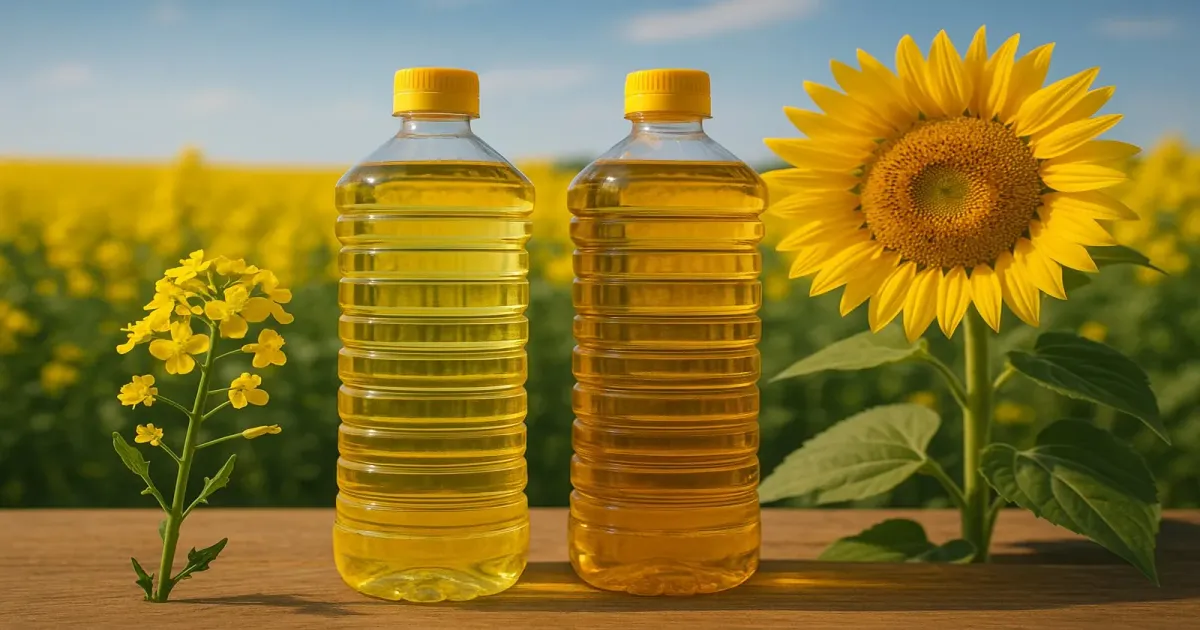
Once I started paying attention to food labels, I realised just how much rapeseed oil (often labelled as canola oil) and, to a lesser extent, sunflower oil were sneaking into my diet. From ready meals and salad dressings to crisps and even so-called “healthy” snacks, they were everywhere.
When I finally cut them out completely, the change was remarkable. My digestive issues eased, my energy improved, and I felt less “inflamed” overall.
The Growing Debate Around Seed Oils
I thought my reaction to seed oils might be unusual — until I started noticing more and more discussion in the media and online about their potential downsides. Books like Dr. Cate Shanahan’s Dark Calories are shining a spotlight on how highly processed seed oils — like rapeseed, sunflower, soybean, safflower, and corn oil — may affect our long-term health.
These oils are rich in omega-6 polyunsaturated fatty acids (PUFAs), which, in balance, are essential for our bodies. But modern diets tend to be overloaded with omega-6 while lacking enough omega-3. Some researchers believe this imbalance may contribute to:
- Chronic inflammation
- Insulin resistance
- Digestive issues
- Increased risk of heart disease
Why Manufacturers Love Seed Oils (and Why That’s a Problem)
From a food industry perspective, seed oils are cheap, convenient, and appear stable:
- Cheap to produce → Industrial crops like rapeseed, sunflower, soybean, and corn are mass-farmed and heavily subsidised.
- Shelf-stable after processing → Refining, bleaching, and deodorising these oils strips away compounds that make them go rancid quickly. On the supermarket shelf, they look perfectly fine for months.
- Neutral taste and texture → Their mild flavour makes them versatile for manufacturers.
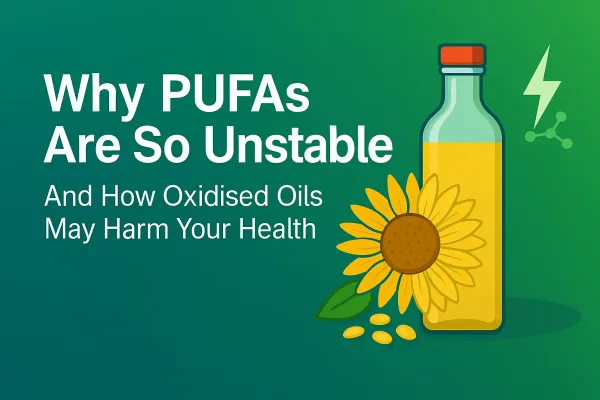
But here’s the catch: PUFAs are inherently unstable. Their chemical structure — with multiple double bonds — makes them prone to oxidation when exposed to heat, light, or air. Cooking with them, deep-frying in them, or simply metabolising them inside the body can create oxidised by-products that researchers believe may contribute to inflammation and cellular damage.
In other words, seed oils might look “stable” in the bottle, but they may be anything but stable once they’re inside us.
Taking Back Control of Your Health
For me, cutting out seed oils has meant:
- Cooking from scratch more often
- Choosing products made with olive oil, avocado oil, or butter instead
- Reading labels carefully — even on so-called “healthy” foods
Over the next few weeks, I’ll be diving deeper into:
- Why PUFAs are unstable and how oxidation may harm our health
- What makes seed oils different from traditional fats
- Practical tips for avoiding hidden seed oils in everyday foods
- The latest research and expert opinions on whether we should be concerned
For now, the biggest lesson I’ve learned is this: small changes can make a big difference. Understanding what’s really in your food is one of the most powerful tools you have to protect your health — especially as we age.
Disclaimer: This article is for information only and isn’t medical advice. Always consult your doctor before making major dietary changes.